
Search Prairie County Death Records
Prairie County death records are filed with the Arkansas Department of Health and cover deaths from February 1914 forward. Prairie County is one of only two Arkansas counties with two county seats: Des Arc serves the western district and DeValls Bluff serves the eastern district. The county sits along the White River in the Arkansas Delta and has been a rice-farming region since the early 20th century. Because Prairie County uses two courthouses, probate and court records may be held at either location depending on where an event occurred. All certified death certificates, however, are obtained through the state office in Little Rock.
Prairie County Death Records Overview
Where to Get Prairie County Death Records
Certified Prairie County death certificates are available from the Arkansas Department of Health, Vital Records Section. The office address is 4815 West Markham Street, Little Rock, AR 72205, Slot 44. Phone: (501) 661-2336. Hours are Monday through Friday, 8am to 4:30pm. Same-day service is available for in-person requests before 4pm.
Mail requests take four to six weeks. Include a completed application form, a copy of your photo ID, and a check or money order payable to the Arkansas Department of Health. The fee is $10.00 for the first certified copy and $8.00 for each additional copy. Order faster through VitalChek, the state's authorized online service, which delivers in three to five business days. A convenience fee applies.
Prairie County has two Circuit Clerk offices. The western district courthouse is in Des Arc, and the eastern district courthouse is in DeValls Bluff. If you need local probate or estate records, you must determine which district the deceased lived in to know which courthouse holds the relevant files. Prairie County was established in 1846 along the White River, and records from both courthouse locations reflect the county's split administrative history. For researchers unsure of which district to contact, calling either courthouse can help you identify where the correct files are held.
Note: Prairie County records may be held at either the Des Arc or DeValls Bluff courthouse depending on the district. Confirm the correct district before making an in-person research visit.
Prairie County Probate and Estate Death Records
Probate records in Prairie County are held at both the Des Arc and DeValls Bluff courthouses depending on the district. When a resident dies with property requiring court administration, the Circuit Clerk in the relevant district opens a probate case. These files include wills, estate inventories, creditor claims, and final settlement orders. For Delta farming families in Prairie County, probate records often document rice farming operations, land holdings, and agricultural equipment that form the bulk of rural estates. These records name heirs and document family relationships in ways that death certificates cannot.
Recent Prairie County probate cases can be searched through the free Arkansas Courts case search portal. This system is maintained by the Arkansas judiciary. For older cases, an in-person visit to the appropriate courthouse is needed. Staff at either the Des Arc or DeValls Bluff courthouse can help locate specific estate files for their respective districts. Given the two-courthouse structure, calling ahead before a visit is especially important to avoid going to the wrong location.
The Arkansas Secretary of State maintains business and corporate filings that can be useful in estate research involving farm corporations or agribusiness entities. Prairie County's White River setting also means some estates involve riparian rights and river-related property interests that may appear in land records as well as probate filings.
Historical Death Records in Prairie County
Statewide death registration in Arkansas began February 1914. Before that date, deaths in Prairie County were not recorded centrally. For pre-1914 deaths, the main sources are church burial records, cemetery transcriptions, and county court minutes from the Des Arc and DeValls Bluff area. Prairie County was established in 1846 along the White River, so records from the mid-1800s exist in the county courthouse archives and at the Arkansas State Archives. Delta farming families from this era often appear in church records, probate files, and the occasional newspaper death notice.
The Encyclopedia of Arkansas covers Prairie County history and provides background on early communities along the White River that can guide pre-1914 research.
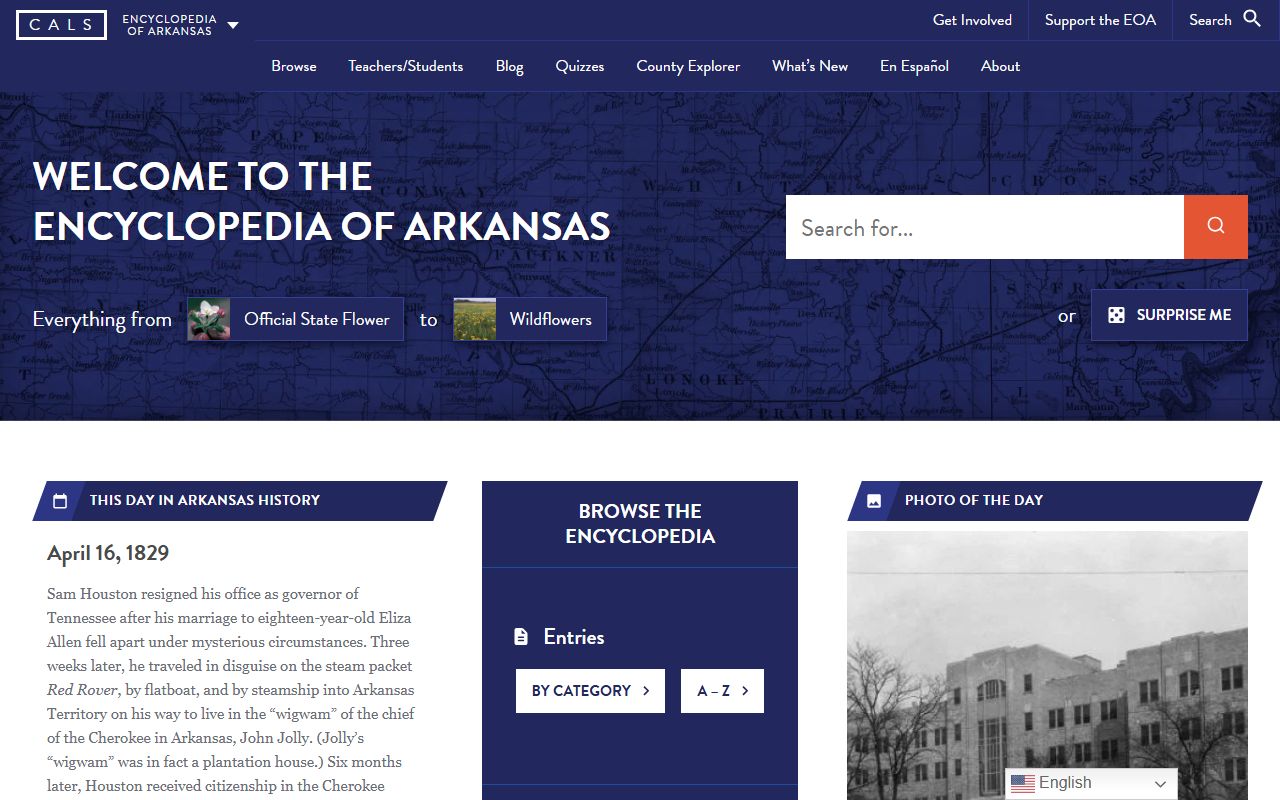
The Encyclopedia of Arkansas is a useful reference for identifying early Prairie County communities, churches, and time periods relevant to pre-1914 death record research.
The National Archives holds federal mortality schedules for Prairie County from 1850 through 1880. These schedules are valuable for the pre-registration era and cover communities in both the Des Arc and DeValls Bluff districts. The Arkansas State Archives also holds some Prairie County historical materials and can assist with pre-1914 research requests before you plan a visit to either Prairie County courthouse.
Cemetery Records and Burials in Prairie County
Cemetery records are among the most accessible death records for Prairie County, especially before 1914. Find a Grave includes listings from Prairie County burial sites. Volunteer contributors have documented cemeteries in Des Arc, DeValls Bluff, and rural Delta communities throughout the county. Headstone photographs and transcribed inscriptions in the database provide burial dates, family connections, and grave locations that are not available in any other public archive.
Find a Grave entries for Prairie County sometimes link to family records from neighboring Monroe, Lonoke, and Arkansas counties, where Prairie County families often had cross-county ties.
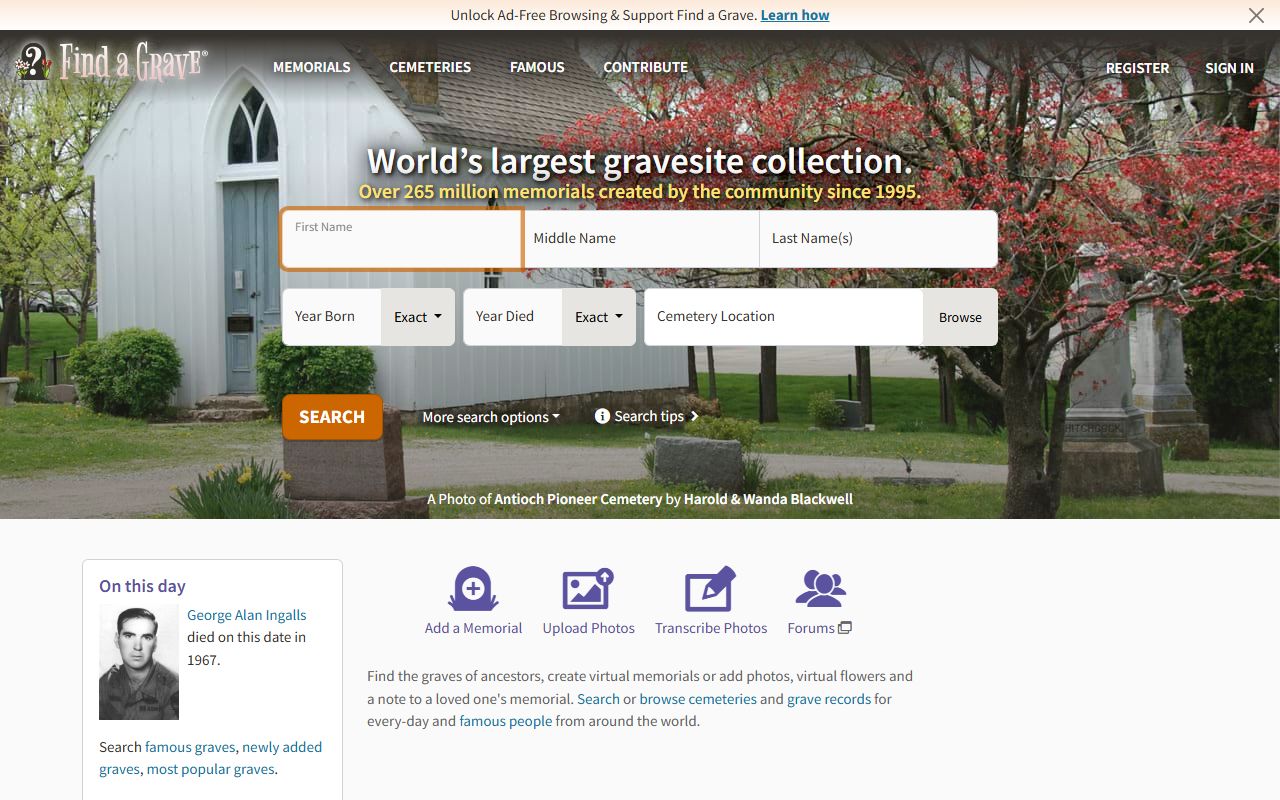
Use the county filter on Find a Grave to restrict your search to Prairie County, Arkansas for burial records from Des Arc, DeValls Bluff, and surrounding rural Delta communities.
Local funeral homes in Des Arc and DeValls Bluff maintain burial registers going back many decades. The Prairie County Historical Society holds additional materials including family files and cemetery surveys. Some church cemeteries along the White River have not been transcribed and may require contacting local congregations directly to access burial records.
Obituaries and Death Notices in Prairie County
Local papers serving Prairie County have published death notices over many years. The Des Arc Eagle and community papers from DeValls Bluff have served their respective districts. Search Legacy.com for Prairie County obituaries by name. Funeral homes in Des Arc and DeValls Bluff also post obituaries on their websites. Because Prairie County is small, funeral home websites are often the quickest source for current obituary information.
Older Prairie County newspaper issues are held on microfilm at the Arkansas State Archives. The newspaper digitization project through the Arkansas State Archives covers some Delta area papers, and you can check whether Prairie County publications are in the online collection. For deaths in the early 20th century, newspaper notices often provide family details that are not recorded anywhere else in a single document.
Who Can Access Prairie County Death Records
Arkansas restricts death certificates for 50 years under Arkansas Code Title 20, Chapter 18. During this period, eligible parties include the deceased's spouse, parent, child, sibling, or grandparent. Legal representatives with documented authority may also request records. All others must demonstrate a legal or financial interest. Government-issued photo ID is required for all requests.
Once a record passes the 50-year mark, it is public. Any person may request a copy. The standard fee applies and a request form is required, but proof of relationship is not needed.
For restricted records, documentation of your relationship or authority must accompany your request. Acceptable items include a birth certificate, letters testamentary, a notarized power of attorney, or a court order. Submit complete documentation with your first request to avoid delays from follow-up correspondence with the Department of Health.
Online Search Tools for Prairie County Deaths
Order certified Prairie County death certificates through VitalChek, the state's authorized online platform. VitalChek delivers in three to five business days. Use the free Arkansas Courts case search to find recent Prairie County probate and civil cases.
The CDC Arkansas vital records guide provides official contact information for the Department of Health. The National Vital Statistics System gives national context. Together these tools give you solid access to Prairie County death records for most research needs without travel.
Genealogy Resources for Prairie County
FamilySearch offers free access to digitized Arkansas records including census data, vital record indexes, and mortality schedules. Search by surname and Prairie County to find the most relevant results. Because Prairie County was established in 1846 and has a long Delta history, FamilySearch records for the county sometimes extend back to the early settlement era along the White River. Family trees on the platform sometimes include documented Prairie County sources that save research time.
Federal mortality schedules for 1850 through 1880 at the National Archives cover Prairie County. The Arkansas Courts website links to the case search portal and court contact information. The Prairie County Historical Society holds locally compiled records from both the Des Arc and DeValls Bluff districts. For families with cross-county ties to Monroe, Lonoke, or Arkansas County, researching those adjacent counties in parallel with Prairie County often fills in gaps in the White River Delta family record.
Nearby Arkansas Counties
Death records in neighboring counties may supplement Prairie County research, particularly for families who lived near county lines or moved between districts.